

Not everything that comes in is income: how to understand your taxes
During tax season, one of the most common questions we receive is very simple, yet extremely important:
“If I received money, do I have to report it?”
Many people assume that any money that enters their bank account, Zelle, or payment app automatically becomes taxable income. However, from a tax perspective, this is not always the case. The key is not simply receiving money, but understanding why you received it and how the IRS classifies it.
Understanding this difference can help you file your taxes correctly, avoid mistakes, and reduce unnecessary stress during the tax filing process.
What does the IRS consider income?
For the IRS, the concept of income goes beyond simply receiving money. Income is money that represents an economic gain, usually associated with work performed, services provided, sales, or an activity that generates a profit.
When money meets these conditions, it is generally considered taxable income, meaning it must be included on your tax return.
For example, if you receive payments for services, independent work, product sales, or commissions, that money is typically reportable, regardless of whether you received it in cash, by bank transfer, through Zelle, or another payment method.
When the money you receive is income
In practice, the IRS generally considers money to be income when there is a clear connection between the payment received and an economic activity. This applies to individuals with a Social Security number as well as those with an ITIN, even if they do not have a formally registered business.
Common examples include payments for self-employment income, occasional services, small commercial activities, or recurring income from sales. In all of these situations, the money received is usually considered reportable income and must be declared.
One important point to keep in mind is that the method of payment does not change the tax obligation. Receiving a payment through Zelle or a bank transfer does not automatically make it “invisible” for tax purposes. What matters is the source and purpose of the payment.

When the money you receive is not usually income
This is where the greatest confusion arises, and also where we see the most mistakes when it comes time to file taxes.
Not all money you receive is taxable income. There are very common situations in which the money does not represent an economic gain and, therefore, is generally not subject to taxes (non-taxable, depending on the case).
For example, expense reimbursements are not considered income, since you are simply getting back money you already spent. Family assistance, when it is not connected to a service or work performed, is also typically not considered income. The same applies to gifts, loans, or transfers between your own accounts.
This does not mean that this money should be completely ignored, but it should be properly explained and supported in case the IRS requests additional information.
Zelle, transfers, and payment apps: the real issue
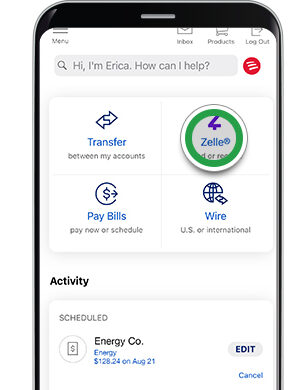
One of the most common myths is believing that by using Zelle or similar platforms, the money automatically loses its tax implications. In reality, Zelle does not determine whether a payment is income or not.
If you receive money through Zelle as payment for a service, it is very likely taxable income. If you receive it as family assistance, a reimbursement, or a loan, it is generally not taxable. The issue arises when there is no clear distinction between these types of payments.
The IRS does not focus solely on the platform used, but rather on the nature of the money received and the consistency of the information reported.
The most common mistake: mixing everything together
Many people use a single bank account or payment app for everything: personal income, payments for work, family assistance, reimbursements, and internal transfers. Over time, this makes it difficult to determine which money corresponds to which purpose.
When it comes time to file taxes, this lack of organization can lead to reporting income that should not be reported or creating inconsistencies. This is where concepts such as documentation, proper record keeping, and accurate reporting become essential.

Why is it important to understand this when filing your taxes?
Because filing taxes is not just about paying more or less—it is about filing correctly. Incorrectly classifying money can lead to errors, future adjustments, or even questions from the IRS.
Understanding what type of money you receive, how it is classified, and how it should be reported allows you to file a clearer, more organized, and more consistent tax return, reducing unnecessary risks.
Every situation is different
Filing taxes as an employee is not the same as filing as a self-employed individual, a person with an ITIN, someone with a Social Security number, or the owner of a small business. Each situation has its own considerations and should be reviewed individually.
For that reason, this article is intended to give you a clear and easy-to-understand foundation. In upcoming posts, we will take a deeper look at topics such as transfers and Zelle, personal income versus business income, and how to properly organize your financial activity.
📌 If you have questions about your specific situation, Vera & Associates is here to help you understand and file your taxes correctly.